
Adarsh Linear Motion Bearings
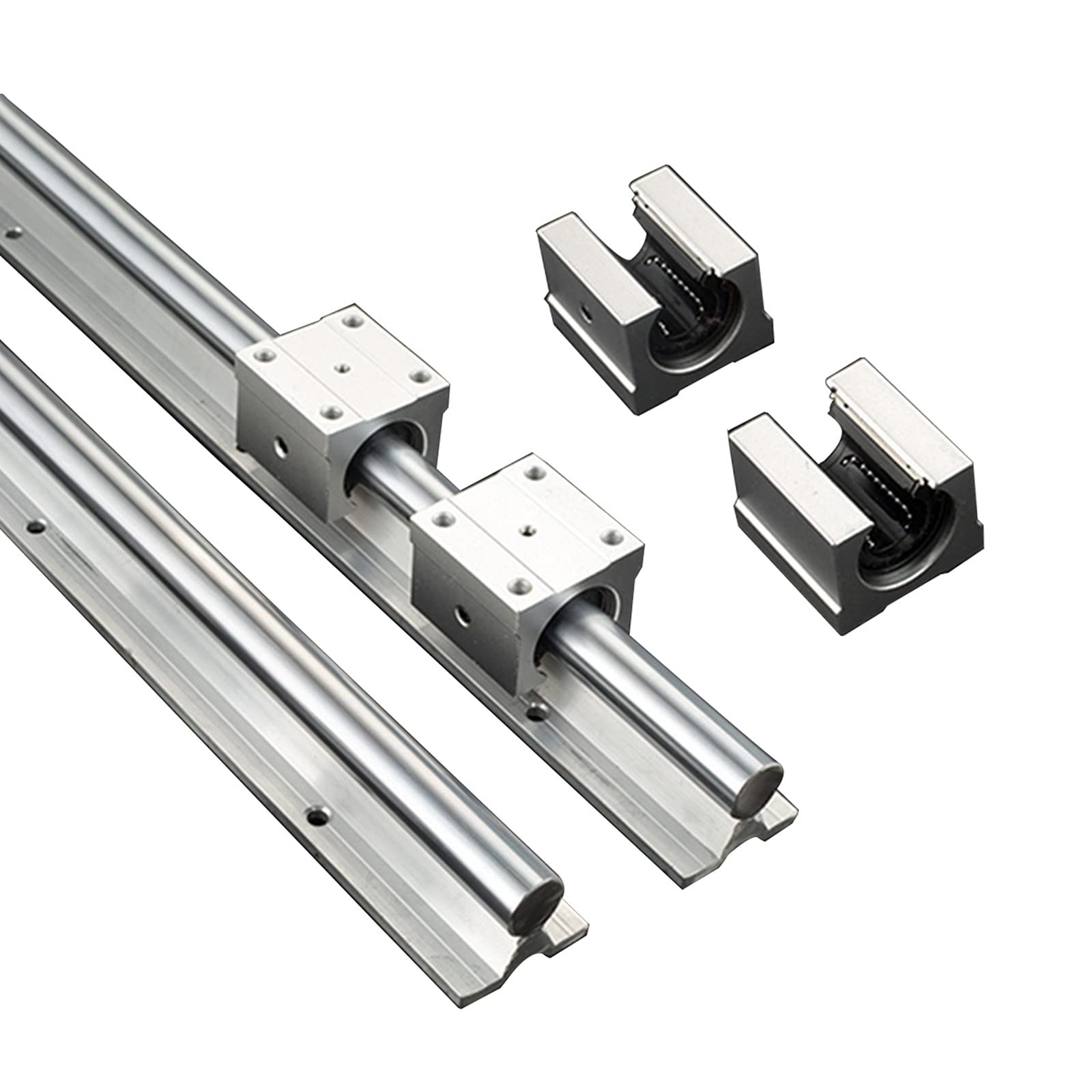
Linear motion bearings are used to support the motion of linear elements. These elements move in a straight line and can be used for linear actuators or motors that move along a single axis, and linear guides that guide other components such as screws or nuts along their paths.
In a single-axis linear movement, linear bearings act as support to the load of the carriage and give the guide rails a low-friction surface to slide along. The component that moves in a straight or curved line, backwards and forward, down the length of the guide rail in a linear guide is called the carriage, and it is fitted and placed into the linear bearing.
Linear Motion Bearings Design
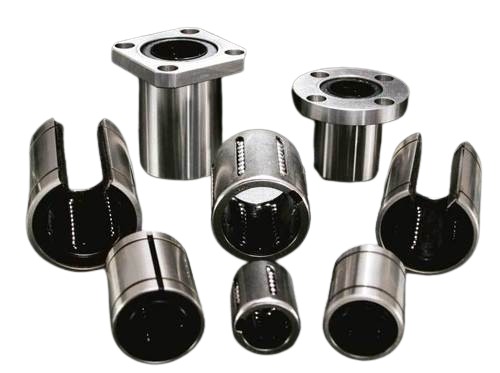
There are various types of designs available depending upon the usage of linear bearings such as closed-type and open-type linear motion bearings.
Linear Motion Bearings Material
Carbon steel, chrome steel, and stainless steel are among the bearing materials that can be used in linear bearings. Rotating motion, self-lubrication, and corrosion resistance are special material properties.
Linear Motion Bearing
A linear-motion bearing or linear slide is a bearing designed to provide free motion in one direction.
Linear Motion Bearing Specifications
Types of Linear Motion Bearings
Rolling Linear Bearings
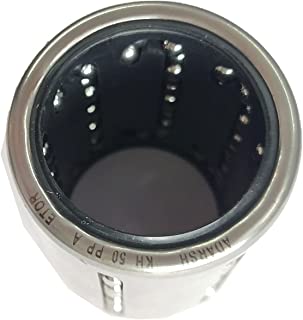
The most popular kind of linear bearing has a small frictional surface for linear motion, and it is called a rolling linear bearing. Between the mating grooves in the bearing and guide rails are housings for the rolling elements, which are balls or rollers.
The contact angle, which is measured horizontally, affects the loading capacity of the linear bearing in a particular direction. While the lateral loading capacity is related to the contact angle, the radial loading capacity is directly proportional to it.
Plain Linear Bearings
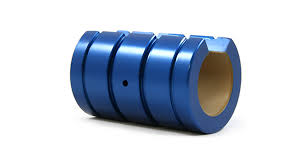
Plain linear bearings rely on the sliding contact of two surfaces in the absence of rolling components. In comparison to linear roller bearings, they are substantially less expensive and have a simpler structure and working processes. The journal slides on the inner surface of plain linear bushings also referred to as linear sleeve bearings.
Self-lubricating substances are often used to treat the inner surface. The surface pressure is decreased because the contact area is bigger. They are lighter, better at absorbing shocks and dampening vibrations, and have a higher load capacity.
Applications of Linear Motion Bearings
In common machinery such as machine-tool ways, sliding doors, 3D printers, and in a variety of automation settings.
Benefits of Linear Motion Bearings
- They allow you to move something in a straight line without using any other equipment, and they’re often paired with other linear motion devices such as linear actuators or slide rails.
- Sliding technology is created using linear bearing systems to maximize design potential.
- Self-lubrication, shock absorption, corrosion resistance, dirt resistance, lightweight, and noiseless operation are all the best parts of this type of motion bearings.